
Heat building in the attic
The attic can get very warm on sunny days. If the attic floor or roofline is weakly insulated, that heat can push into the rooms below.
Homeowner guide
A hot upstairs bedroom or stuffy second floor is usually not just one problem. In NYC and Long Island homes, attic heat, air leaks, older insulation, roofline details, and ductwork can all work together.
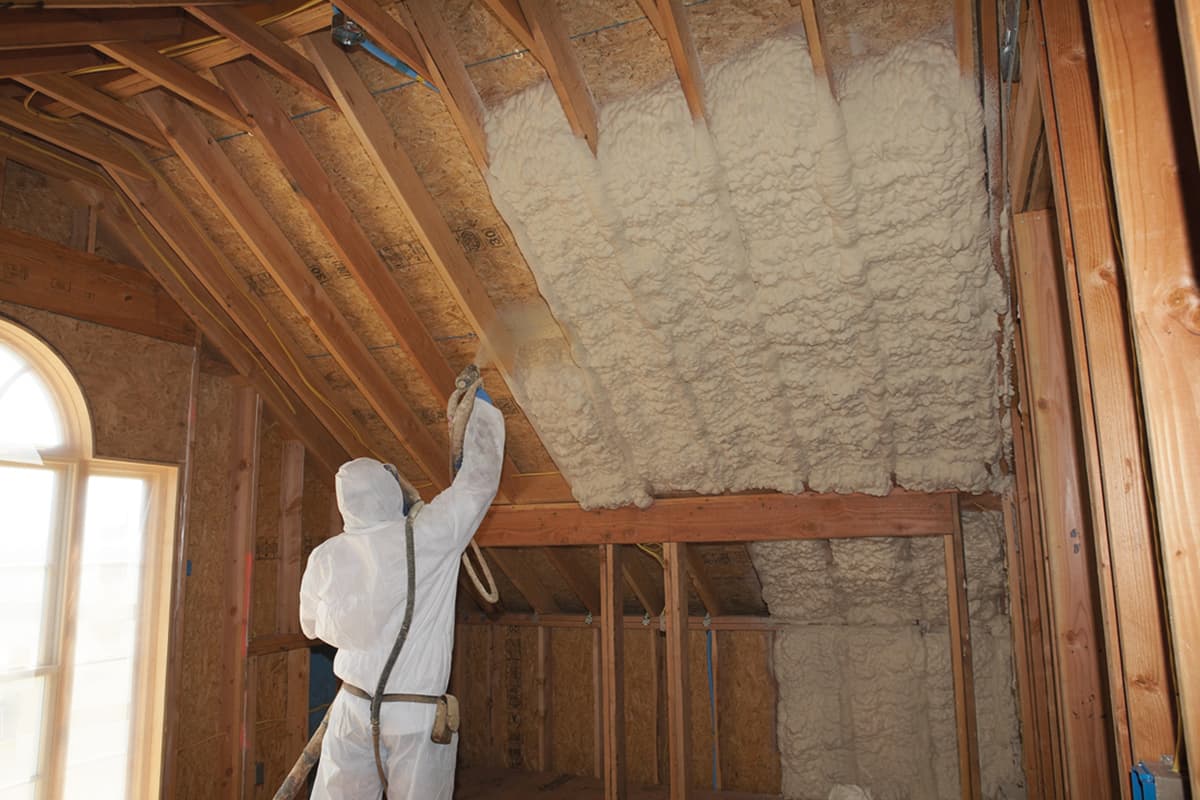
Attic heat and top-floor comfort
Rooflines, attic air leaks, and thin insulation can make upstairs rooms hard to cool.
Plain English
On a hot day, the roof and attic can heat up fast. The rooms under that space feel it first, especially if the attic insulation is thin, air is leaking through gaps, or a finished attic has knee walls and sloped ceilings that were never treated well.
Capes, colonials, attached homes, brownstones, split-level homes, finished attics, and rooms over garages can all show the same complaint: the upstairs never feels like the rest of the house.
Common causes
The cause is usually a mix of heat, air movement, insulation gaps, and room layout.
The attic can get very warm on sunny days. If the attic floor or roofline is weakly insulated, that heat can push into the rooms below.
Gaps around hatches, wall tops, wiring, plumbing, and ceiling openings can let attic air and house air move where they should not.
Old insulation can settle, shift, get compressed, or leave gaps. Once coverage is uneven, some rooms feel the heat faster than others.
Capes, finished attics, sloped ceilings, and brownstones can hide short walls and roofline spaces that are hard to insulate well.
If ductwork runs through a hot attic or roofline area, cooled air can pick up heat before it reaches the room.
Bonus rooms, additions, and rooms over garages often have more exposed edges and different insulation conditions than the rest of the home.
Attic insulation
Attic insulation should form a steady layer between the hot attic and the living space. When it is thin, compressed, patchy, or missing around edges, the upstairs can warm up quickly.
Learn more about attic insulation and why attic conditions matter for top-floor comfort.
If the attic is a hot zone, the insulation is the buffer. When the buffer has gaps, heat finds the weak spots first.
Air leakage
Air leaks around hatches, wall tops, wiring, plumbing, ducts, and ceiling openings can let attic air and house air move through hidden paths.
That is why air sealing often needs to be considered before simply adding more insulation. See the attic air sealing guide for a deeper explanation.
The room feels hot, stuffy, dusty, or uneven. The actual leak may be behind a wall, above the ceiling, or around an attic access point.
Symptoms
These are common clues that the issue may be tied to attic heat, air leaks, insulation gaps, rooflines, or room location.
One upstairs bedroom is much hotter than the others
The second floor feels stuffy even when the AC is running
Top-floor rooms warm up quickly in the afternoon
A finished attic or cape bedroom never cools evenly
Rooms over garages feel hot in summer and cold in winter
The AC runs often while upstairs comfort still feels uneven
Realistic fixes
The answer is not always one product. A practical plan looks at the room, the attic or roofline, air movement, insulation coverage, and access.
Cooling equipment matters, but attic heat, thin insulation, and air leaks can make the upstairs feel uncomfortable even when the system is running.
Air sealing helps close hidden paths. Insulation helps slow heat moving from the attic into the rooms below.
A cape bedroom, brownstone top floor, split-level room, or garage bonus room may need a targeted plan instead of a whole-house guess.
What to expect
The work should be explained plainly: what is heating the room, where air may be moving, what insulation looks like, and what can realistically be improved.
Step 1
We ask when the room gets hot, how it compares to nearby rooms, and whether the problem changes from summer to winter.
Step 2
Attic access, roofline edges, knee walls, ducts, garage-adjacent framing, and insulation coverage are checked where access allows.
Step 3
Attic bypasses, ceiling gaps, hatches, and wall tops can let air move around insulation and make the room harder to cool.
Step 4
The recommendation may involve attic insulation, air sealing, spray foam at specific gaps, or a smaller targeted repair.
FAQ
The room may be picking up heat from the attic, roofline, ducts, thin insulation, or air leaks. The cause is often above or around the room, not only inside it.
It may help when weak attic insulation is part of the problem, but air leaks should also be checked. Insulation works better when air is not moving through hidden gaps.
Attic bypasses are hidden air paths around hatches, wall tops, wiring, plumbing, ducts, and ceiling openings. They can let air move between the living space and attic.
It can help in the right areas, especially rooflines, rim joists, knee walls, and hard-to-seal gaps. The home should be looked at first so foam is used where it makes sense.
It may help reduce energy waste when attic heat, air leaks, or weak insulation are part of the problem, but savings are not guaranteed. The home, equipment, usage, and scope all matter.
Related services
Free estimate
Tell us which rooms get hot, when it happens, and what the attic or roofline access looks like. We will explain the likely next step clearly.