
Attic hatches and pull-down stairs
A loose attic hatch can act like a small open door between the living space and the attic.
Homeowner guide
If your upstairs rooms are too hot, too cold, drafty, or uneven, the attic may be leaking air before insulation even has a chance to help. In older NYC and Long Island homes, sealing those leaks first can make the insulation plan more practical.
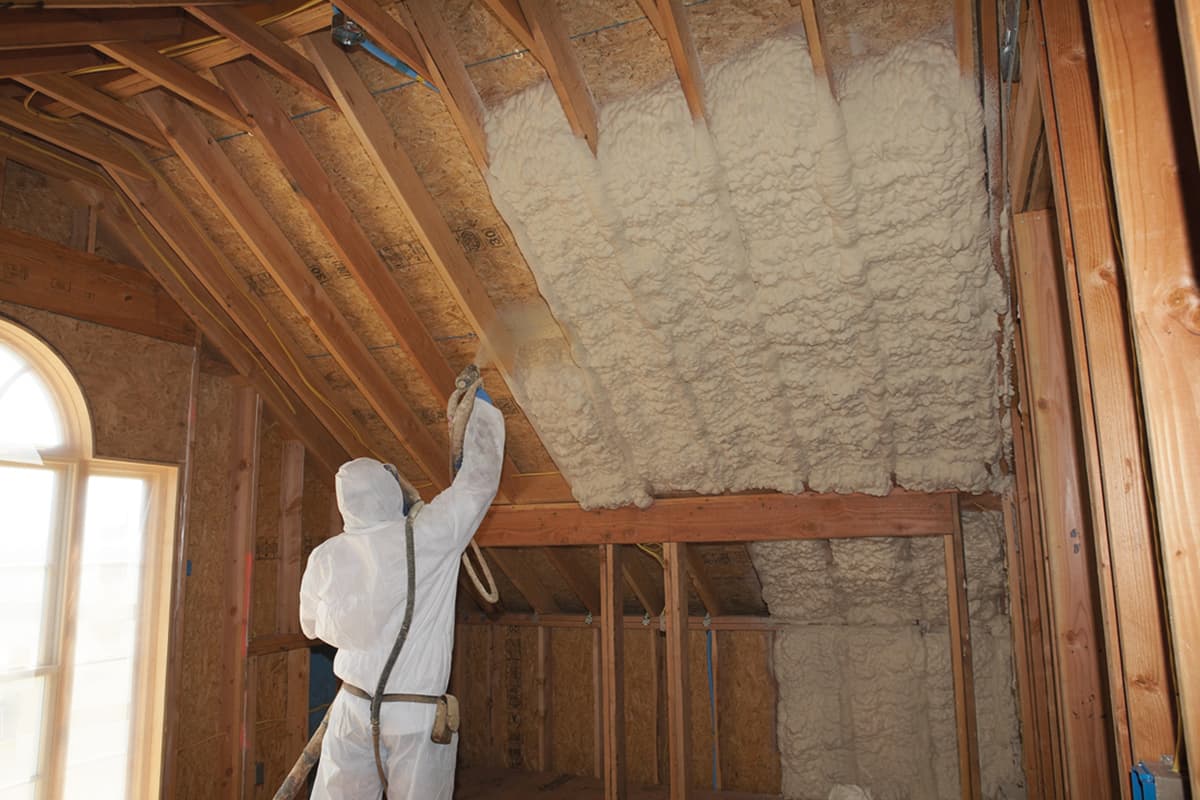
Attic air leaks and insulation
Small gaps around hatches, wall tops, and rooflines can move more air than homeowners expect.
Plain English
Air sealing is not about making a house unnatural or sealed shut. It is about closing the hidden gaps where attic air, basement air, garage air, or outside air can move into the living space.
In older attached homes, capes, colonials, brownstones, finished attics, and homes with rooms over garages, these small openings can add up. The homeowner feels the result as drafts, dusty air, hot bedrooms, cold rooms, or uneven temperatures.
Insulation limits
Insulation is meant to slow heat movement. It is not meant to stop air from pushing through holes, gaps, chases, hatches, and framing openings.
If air is moving around the insulation, the home can still feel drafty or uneven. That is why air sealing and attic insulation should often be discussed together.
Adding insulation over unsealed holes can be like putting a blanket over a drafty window. The blanket helps, but the air path still needs attention.
Leak areas
The leaks are usually not one giant hole. They are often several small openings working together.
A loose attic hatch can act like a small open door between the living space and the attic.
Small holes around pipes, wires, bath fans, and vents can let warm or cold air move into the attic.
Older framing can leave hidden paths where air moves from the house into attic spaces and behind walls.
Fixtures and ceiling openings can leak air if they were not sealed correctly for the space.
Finished attics, capes, and sloped ceilings can hide gaps behind short walls and roofline transitions.
Leaks lower in the home can still affect comfort upstairs because air moves through the whole house.
Warning signs
Homeowners usually notice the room first. The attic is often where the reason shows up.
Upstairs rooms get too hot in summer or too cold in winter
Bedrooms under the attic feel drafty around ceilings or closets
Old insulation looks dirty, streaked, patchy, or moved out of place
Dusty attic air seems to show up around hatches or upper-floor rooms
Rooms over garages feel different from the rest of the home
Heating or cooling runs often while some rooms still feel uneven
Working together
Air sealing closes the paths where air moves. Insulation slows heat moving between the attic and the rooms below. In many older homes, the right conversation includes both.
Hatches, wall tops, gaps, chases, penetrations, and knee wall edges are reviewed before insulation is added or topped off.
Once major leaks are handled, the attic insulation can be added, corrected, or improved for the space.
What to expect
The work should be explained in plain language: where air is moving, what can be sealed, what insulation needs attention, and what access or safety limits matter.
Step 1
A good attic plan starts with the homeowner complaint: hot upstairs rooms, cold bedrooms, drafts, dusty air, or uneven comfort.
Step 2
Attic hatches, wall tops, plumbing openings, electrical runs, knee walls, rim joists, and garage edges are checked before adding material.
Step 3
The goal is to close meaningful air paths, not cover every surface with more insulation and hope the comfort problem disappears.
Step 4
Once major air leaks are handled, attic insulation can do a better job slowing heat movement between the attic and living space.
FAQ
Insulation slows heat movement, but air can still move through gaps. If those gaps stay open, the home may still feel drafty, uneven, or hard to heat and cool.
An attic bypass is a hidden air path between the living space and the attic. Common examples include gaps around wiring, plumbing, wall tops, hatches, ducts, and ceiling openings.
Sometimes more insulation helps, but adding it over active air leaks can leave comfort problems behind. The attic should be checked for air movement first.
Stack effect is the way air tends to rise through a house, especially in cold weather. Homeowners usually feel the result as drafts, cold rooms, or air pulling through hidden gaps.
It may help reduce energy waste when attic leaks are part of the problem, but savings are not guaranteed. The condition of the home, equipment, usage, and scope of work all matter.
Related services
Free estimate
Tell us which rooms feel drafty, hot, cold, dusty, or uneven. We will look at likely attic leak areas and explain the next step clearly.