Old or compressed insulation
Insulation can settle, get disturbed, or stop covering the attic floor evenly. Once that happens, heat and cold move more easily between the attic and living space.
Attic insulation NYC
In many NYC homes, comfort problems start above the ceiling. Old attic insulation, attic air leaks, and thin coverage can make the rooms below hard to heat and cool.
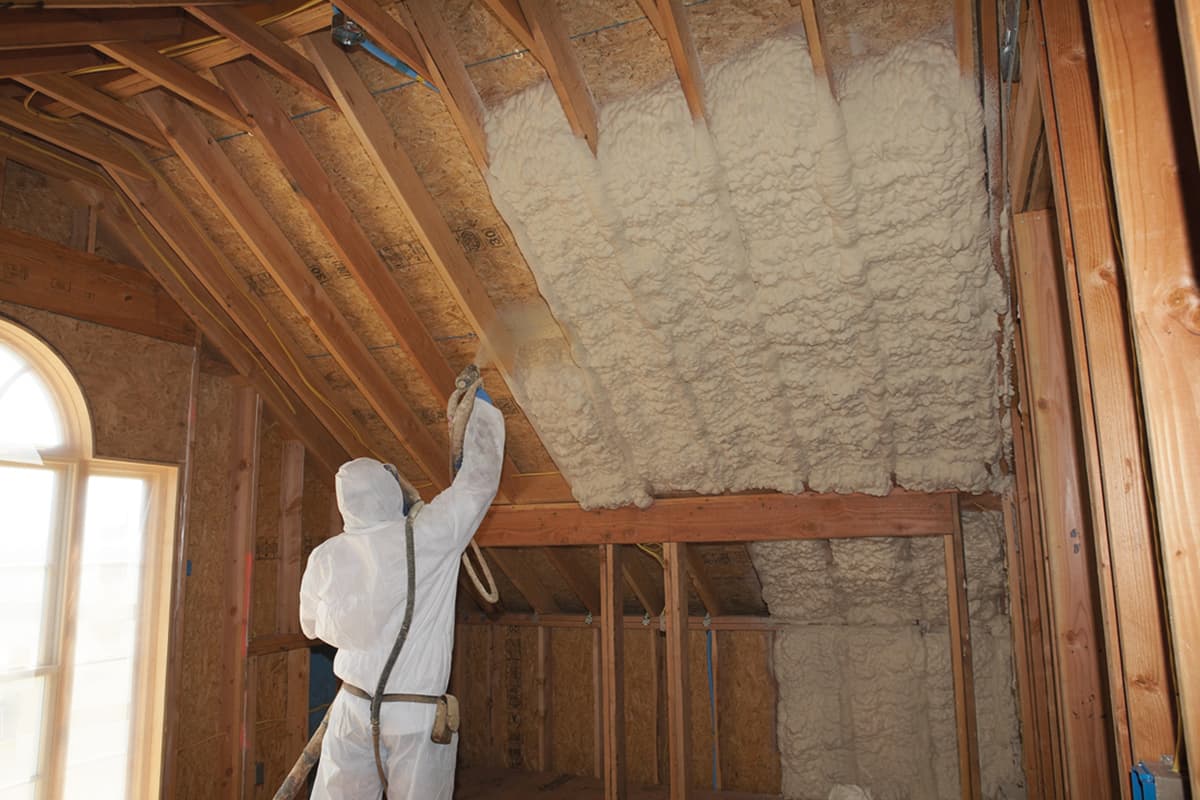
Attic insulation work in progress
Attics, rooflines, and hard-to-reach gaps need a careful insulation plan.
Plain English
Heat rises in winter, and attic heat builds fast in summer. If the attic is under-insulated or leaking air, the rooms below can feel uncomfortable even when the heating or cooling system is running.
The fix is not always just adding more material. A good attic insulation job looks at air leaks, attic access, old insulation, roofline details, and the way the top floor actually feels.
Warning signs
Homeowners usually notice the rooms first. The attic is often where the reason shows up.
The top floor gets hot fast in summer, even when the rest of the home feels fine
Bedrooms under the attic feel cold in winter or drafty around ceilings and closets
Old insulation looks thin, patchy, dusty, compressed, or moved out of place
Rooms near attic hatches, knee walls, or rooflines never feel even
Heating and cooling equipment runs often, but comfort still feels uneven
You can feel air moving near attic access points, ceiling fixtures, or upper-floor trim
Older homes
Brownstones, row houses, attached homes, older single-family homes, and top-floor apartments can all have attic conditions that need a closer look.
Insulation can settle, get disturbed, or stop covering the attic floor evenly. Once that happens, heat and cold move more easily between the attic and living space.
Small holes around wiring, pipes, attic hatches, and framing gaps can let air move through the ceiling. Adding insulation without sealing those leaks can leave comfort problems behind.
Many older NYC homes have low rooflines, knee walls, additions, and hard-to-reach corners. Those details matter when choosing the right insulation approach.
Insulation options
The right material depends on the attic, the access, existing insulation, and whether air leaks need to be handled first.
A common attic option that can fill around joists and cover large attic floor areas. It can work well when the attic floor needs better coverage.
A lightweight option used to build up attic insulation levels and improve coverage over existing attic floors.
Pre-cut sections of insulation. Batts can be useful in some spaces, but they need careful fitting around framing and gaps.
Spray foam may make sense around certain rooflines, rim areas, or hard-to-seal gaps. It is not always needed for every attic.
Air sealing
A drafty attic is not only an insulation problem. Small openings around wiring, plumbing, attic hatches, recessed lights, and framing gaps can let air pass between the living space and the attic.
That is why PrimeSeal looks at air sealing before simply adding more insulation. It is a practical step that can make the whole job work better.
Attic hatches, ceiling penetrations, wall tops, duct areas, roofline transitions, and other spots where air can move through the home.
Benefits
A better-insulated attic can help reduce the heat and cold moving between the attic and the rooms below.
Air sealing before insulation can help reduce the small leaks that make ceilings, closets, and upper rooms feel uncomfortable.
When the attic is treated correctly, your existing equipment is not fighting as much attic heat, cold, and air movement.
What to expect
The goal is to solve the comfort problem, not just cover the attic with more material.
Step 1
We ask where the home feels hot, cold, drafty, or uneven, then connect those complaints back to the attic conditions.
Step 2
We look for thin insulation, gaps, attic hatch issues, old material, roofline problems, and places where air may be moving.
Step 3
You get a plain recommendation: what should be sealed, what should be insulated, and which material makes sense for the space.
Step 4
The work area, access, cleanup, and expectations should be clear before insulation is added or replaced.
Rebates and incentives
Some attic insulation and air sealing work may qualify for available incentives. PrimeSeal can help review program information and the paperwork needed for them.
Rebates, incentives, approvals, and savings are not guaranteed. Program rules, eligibility, and funding can change.
We can help organize project details and scope information homeowners may need when looking into available programs.
Service areas
We work with homeowners in borough homes, attached homes, older buildings, top-floor spaces, and suburban layouts.
Queens
Brooklyn
Bronx
Manhattan
Staten Island
Long Island
FAQ
Common signs include hot upper floors, cold bedrooms, drafty ceilings, uneven temperatures, thin insulation, or old insulation that looks compressed, patchy, or disturbed.
In many homes, yes. Air leaks can move through gaps around wiring, plumbing, attic hatches, and framing. Sealing those areas first can help the insulation do its job better.
It can be a good fit when the attic floor needs more even coverage. The right choice depends on access, existing insulation, air leaks, roofline conditions, and how the space is used.
It may help reduce energy waste when weak attic insulation or attic air leaks are part of the problem, but savings are not guaranteed. The condition of the home and how it is used both matter.
Yes. PrimeSeal works across Queens, Brooklyn, the Bronx, Manhattan, Staten Island, and Long Island.
Free estimate
Tell us which rooms feel hot, cold, drafty, or uneven. We will look at the likely attic problem areas and explain the next step clearly.