
Colonials, capes, and split-levels
Different rooflines, knee walls, additions, and attic shapes can make comfort uneven from room to room or level to level.
Long Island insulation contractor
Long Island homes often have comfort problems tied to the whole house: older attics, bonus rooms over garages, crawl spaces, split-level layouts, capes, ranches, colonials, and roofline gaps that let air move where it should not.
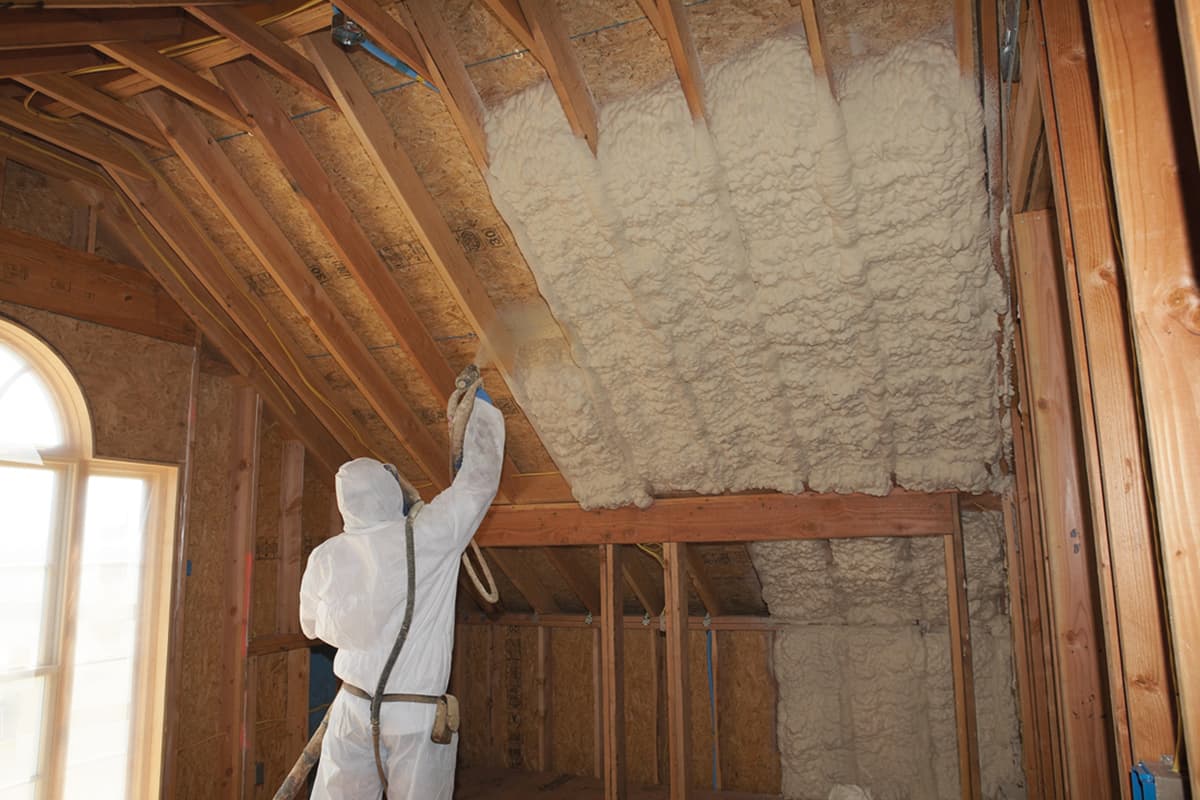
Attic, crawl space, and air sealing work
Older attics, garage bonus rooms, crawl spaces, and rooflines need the right approach.
Long Island homes
In detached homes, the uncomfortable room is often connected to a bigger pattern: attic heat, crawl space air, garage-adjacent gaps, rim joists, or roofline leaks. One bedroom, bonus room, or lower level can feel off even when the rest of the house seems fine.
A colonial in Garden City, a cape near Great Neck, a ranch in Babylon, or a split-level in Valley Stream can each need a different plan. PrimeSeal starts with the room complaints and then looks for the air and insulation issues behind them.
Common complaints
The first sign is usually a bedroom, bonus room, floor, or side of the house that never feels quite right.
Upper bedrooms that get hot in summer or drafty in winter
Older attic insulation that is thin, compressed, patchy, or disturbed
Bonus rooms over garages that never feel like the rest of the home
Crawl space edges, rim joists, or lower rooms that pull in cold air
Split-level homes where one level stays uncomfortable
Roofline and attic air leaks around hatches, vents, knee walls, or penetrations
Home styles
Long Island homes can have large attic areas, garage connections, crawl spaces, additions, and different levels. Those details affect whether attic insulation, air sealing, spray foam, or a combined approach makes the most sense.
Different rooflines, knee walls, additions, and attic shapes can make comfort uneven from room to room or level to level.
Large attic areas, exterior walls, crawl spaces, and garage connections can all affect drafts, heat gain, and cold floors.
Rooms over or beside garages often need a closer look at insulation, air sealing, framing gaps, and shared walls or ceilings.
Services on Long Island
PrimeSeal looks at attic conditions, air leaks, crawl space edges, garage-adjacent areas, and room complaints before recommending insulation, spray foam, air sealing, or a combined approach.
Attic and upper-floor insulation for Long Island homes with hot bedrooms, cold rooms, older attic material, or uneven seasonal comfort.
Gap sealing around attic hatches, rim joists, crawl space edges, garage-adjacent areas, duct runs, and roofline transitions.
May fit certain rim joists, crawl spaces, rooflines, garage-adjacent rooms, and hard-to-reach gaps where air sealing matters.
Attics, garages, and crawl spaces
Older attic bypasses, garage framing, rim joists, crawl space edges, and roofline transitions can all move air. Sealing those paths can be just as important as adding insulation.
Learn more about air sealing, attic insulation, and spray foam insulation for older or hard-to-balance homes.
These rooms can feel colder or hotter when air leaks and insulation gaps exist around garage ceilings, framing, or shared walls.
Air moving around crawl space edges, foundation areas, ducts, penetrations, and rim joists can make floors and lower rooms uncomfortable.
Hatches, wiring, plumbing, recessed lights, knee walls, vents, and roofline transitions can all move air before homeowners see the source.
Seasonal comfort
Good insulation planning should account for the whole house, especially where a room sits near the attic, garage, crawl space, or exterior edge.
Older attics and rooflines can push heat into bedrooms, bonus rooms, and upper floors, especially in capes, colonials, and split-level homes.
Air leaks around rim joists, crawl spaces, garage edges, attic hatches, and roofline gaps can make rooms feel colder than expected.
Split-level and expanded homes can have one level that feels fine while another stays drafty, hot, or hard to balance.
Long Island service areas
We help Long Island homeowners with practical comfort upgrades for detached homes, colonials, capes, ranches, split-levels, older attics, crawl spaces, garages, and bonus rooms.
Nassau County
Suffolk County
Great Neck
Five Towns
Valley Stream
Long Beach
Hempstead
Mineola
Huntington
Babylon
Freeport
Garden City
Process
The process should be practical: understand the comfort issue, look at attic and lower-edge conditions, explain the options, and keep the work scope clear.
Step 1
We ask which rooms feel drafty, hot, cold, or uneven, then connect those symptoms to likely attic, crawl space, garage, rim joist, or roofline areas.
Step 2
Detached homes, colonials, capes, ranches, split-levels, additions, and bonus rooms can each move air differently.
Step 3
You get a clear explanation of whether attic insulation, air sealing, spray foam, crawl space work, or a combination makes sense.
Step 4
Scope, access, preparation, cleanup, next steps, and available-program paperwork should be understandable before work begins.
FAQ
Bonus rooms over or beside garages can be affected by insulation gaps, air leaks, framing cavities, and shared walls or ceilings. The right fix depends on access and where air is moving.
In many homes, yes. Hatches, wiring, plumbing, vents, recessed lights, knee walls, and roofline transitions can all move air through the attic.
It can help in the right areas, especially where air sealing and insulation need to work together. The space should be inspected first so the recommendation fits the home.
It may help reduce energy waste when insulation gaps or air leaks are part of the problem, but savings are not guaranteed. The condition of the home, equipment, usage, and scope of work all matter.
Yes. We look at the room that feels wrong, then check attic conditions, garage-adjacent areas, crawl spaces, rim joists, and roofline air leaks before recommending a scope.
Free estimate
Tell us which rooms feel drafty, hot, cold, or uneven. We will look at the likely attic, crawl space, garage-adjacent, and air sealing issues and explain the next step clearly.