
Brownstones and row houses
Tall, narrow layouts can make top-floor comfort difficult. Attic edges, roofline transitions, hatches, and old framing gaps often need a closer look.
Brooklyn insulation contractor
Brooklyn homes often have real character and real comfort problems: brownstones with hot upper floors, row houses with drafty stairwells, attached brick homes with hidden air paths, and converted spaces that do not feel like the rest of the home.
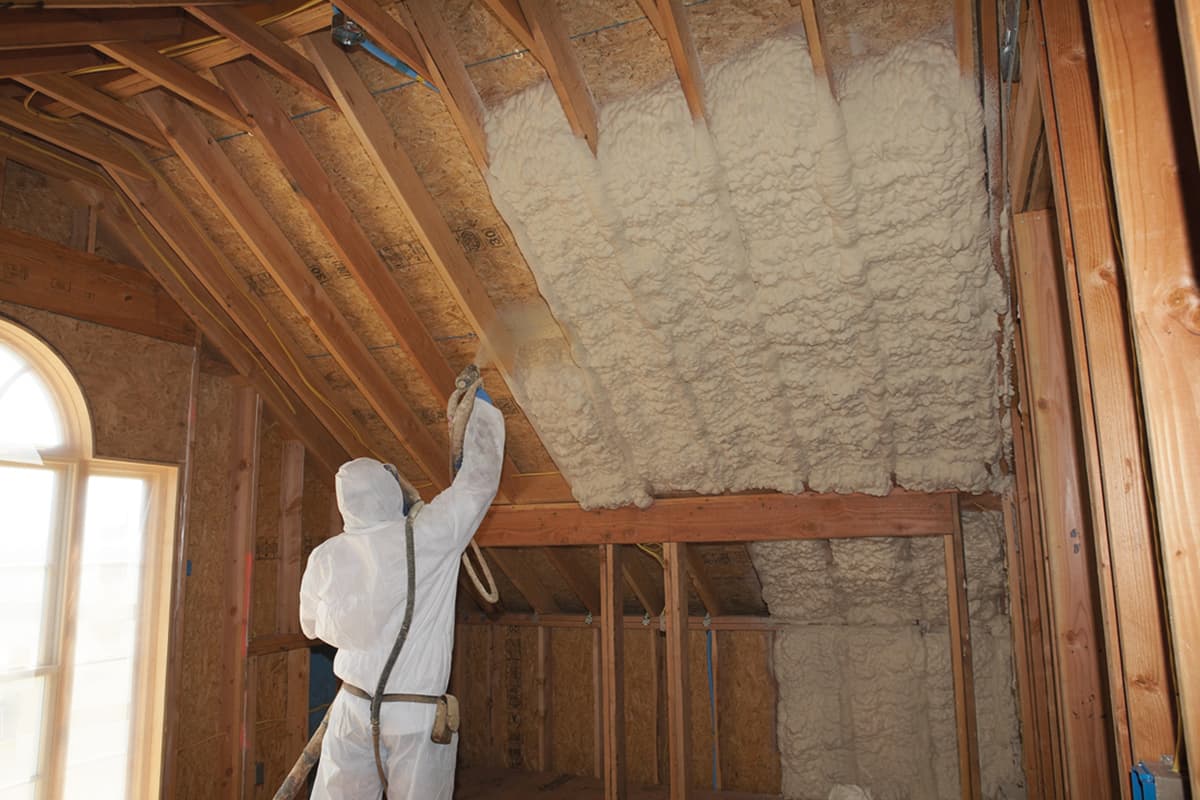
Insulation and air sealing work
Rooflines, rim joists, attic edges, and small gaps can drive comfort problems.
Brooklyn homes
In Brooklyn, the room that feels uncomfortable is not always where the problem starts. A cold bedroom, a drafty stairwell, or a hot top floor may trace back to attic edges, old rooflines, rim joists, ceiling gaps, or insulation that no longer covers the space well.
A brownstone in Park Slope, a row house in Crown Heights, a brick home in Borough Park, and a converted space in Williamsburg can each need a different insulation plan. The work should follow the building, not a one-size-fits-all checklist.
Common complaints
Homeowners usually call because the home feels wrong, not because they already know which material they need.
Top-floor rooms or apartments that overheat under older rooflines
Drafts around stairwells, trim, closets, ceiling lines, and old openings
Cold bedrooms in attached homes where air is moving through hidden paths
Brownstone and row-house attics with tight access, knee walls, or thin insulation
Converted spaces that never feel quite like the rest of the home
Older multifamily layouts where one floor feels different from another
Older-home details
Brooklyn homes often have tall layouts, older framing, shared walls, tight access, and renovated spaces layered over time. Those details affect whether spray foam, attic insulation, air sealing, or a combination makes the most sense.
Tall, narrow layouts can make top-floor comfort difficult. Attic edges, roofline transitions, hatches, and old framing gaps often need a closer look.
Air can move through rim areas, party-wall edges, stair openings, and roofline details. The draft may show up away from the actual leak.
Converted or layered layouts can have uneven insulation, hidden air paths, and rooms that respond differently to heating and cooling.
Services in Brooklyn
PrimeSeal looks at the comfort complaint, the access, and the building details before recommending spray foam, attic insulation, air sealing, or a combined approach.
Useful for certain rooflines, rim joists, crawl space edges, and hard-to-reach gaps where air sealing and insulation need to work together.
Attic and top-floor insulation for Brooklyn homes with hot upper rooms, cold bedrooms, drafty ceilings, or older attic material.
Gap sealing around attic bypasses, rim joists, hatches, duct chases, trim, utility openings, and other common leak points.
Brownstones and row houses
In brownstones and row houses, small leaks can pull air through stair openings, attic edges, wall tops, roofline gaps, and rim areas. That can make upper rooms hot, lower rooms drafty, or bedrooms hard to balance.
That is why air sealing and attic insulation often need to be considered before assuming the problem is only the heating or cooling system.
In tall homes, air movement can pull from lower levels and show up as drafty stairwells, cold rooms, or top-floor heat.
Older rooflines, knee walls, and finished top floors can make insulation work more detailed than simply adding more material.
Small openings around ceiling lines, wall tops, ducts, and penetrations can add up across the whole home.
Seasonal comfort
Good insulation planning should account for summer and winter, especially when the home has older rooflines, attached walls, or converted spaces.
Top-floor rooms in brownstones, row houses, and older multifamily homes can pick up heat from the attic or roofline quickly.
Cold air can enter at rim joists, hatches, trim gaps, roofline transitions, and utility penetrations before homeowners see the source.
One bedroom may feel comfortable while another stays hot or cold. That often points to a mix of insulation gaps, air leaks, and layout.
Brooklyn areas
We help Brooklyn homeowners with insulation, spray foam, air sealing, and practical comfort upgrades in older and hard-to-balance homes.
Flatbush
Crown Heights
Borough Park
Midwood
Williamsburg
Park Slope
Bay Ridge
Marine Park
Sheepshead Bay
Bedford-Stuyvesant
Dyker Heights
Kensington
Process
The process should be practical: understand the comfort issue, inspect the likely problem areas, explain the options, and keep the work scope clear.
Step 1
We ask which rooms feel hot, cold, drafty, or uneven, then connect those complaints to likely attic, roofline, wall, or air leak areas.
Step 2
Brooklyn homes can have tight attics, converted spaces, shared walls, and older framing. Those details shape the recommendation.
Step 3
We explain whether spray foam, attic insulation, air sealing, or a combination makes sense for the home and the access available.
Step 4
Scope, preparation, cleanup, next steps, and available-program paperwork should be understandable before work begins.
FAQ
Many do need air sealing checked, especially around rooflines, attic hatches, wall tops, stair openings, rim areas, and old framing gaps. The right scope depends on the home.
It may help when heat is coming through an attic, roofline, knee wall, or weak insulation area. Air leaks should also be checked because insulation alone may not solve the whole problem.
PrimeSeal works on brownstones, row houses, attached brick homes, older multifamily homes, converted spaces, attics, crawl areas, and top-floor rooms.
It may help reduce energy waste when insulation gaps or air leaks are part of the problem, but savings are not guaranteed. The condition of the home, equipment, usage, and scope of work all matter.
Yes. We start with the room complaints, then look at the roofline, stair openings, wall transitions, and air leak paths before recommending insulation, spray foam, or air sealing.
Free estimate
Tell us which rooms feel drafty, hot, cold, or uneven. We will look at the likely insulation and air sealing issues and explain the next step clearly.