Attached and semi-attached homes
Air can move through party-wall edges, attic transitions, rim areas, and older framing details. The fix usually starts with finding the leak paths.
Queens insulation contractor
Queens has a little bit of everything: attached homes, brick houses, capes, colonials, older attics, additions, and top-floor rooms that do not behave like the rest of the house. PrimeSeal looks at the comfort problem first, then recommends the insulation or air sealing work that fits the home.
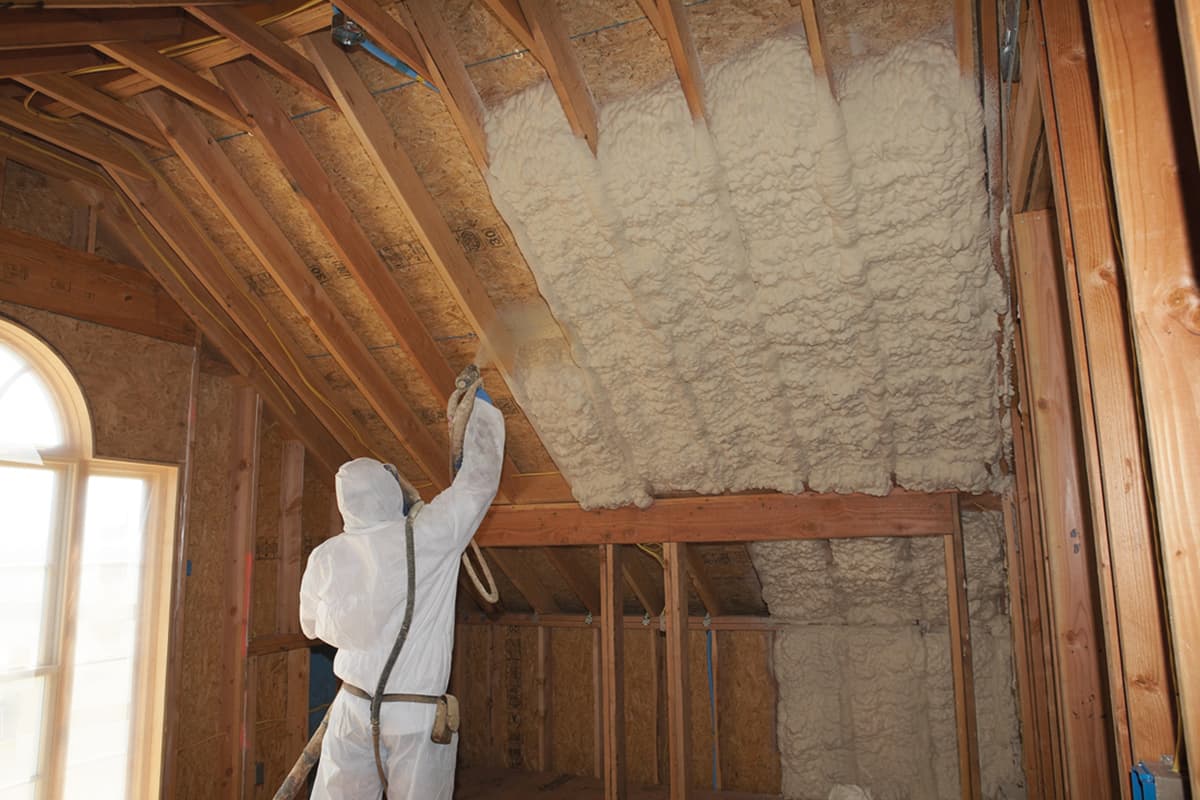
Insulation and air sealing work
Older attics, rooflines, rim joists, and small gaps need a careful look.
Queens homes
A draft in a bedroom, a hot upstairs hallway, or a cold floor can feel like separate problems. In many Queens homes, they come from the same basic issues: weak insulation, old attic conditions, and air moving through small openings.
The right work depends on the house. A brick attached home in Rego Park may need a different approach than a cape in Bayside or an older attic in Forest Hills. The goal is to understand where comfort is being lost before recommending material.
Common complaints
Homeowners usually feel the problem before they know whether it is an attic, wall, rim joist, duct, or air leak issue.
Top-floor bedrooms that get hot fast in summer
Cold rooms near attic access points, knee walls, or older rooflines
Drafts around trim, ceilings, doors, and old framing gaps
Older insulation that looks thin, patchy, compressed, or moved around
Attached homes where air seems to move between floors or along shared walls
Heating and cooling that runs often while some rooms still feel off
Older-home details
The borough has older attached homes, brick homes, capes, colonials, renovated spaces, and tight attic access. Those details affect whether spray foam, blown-in insulation, air sealing, or a combination makes sense.
Air can move through party-wall edges, attic transitions, rim areas, and older framing details. The fix usually starts with finding the leak paths.
Solid-looking walls can still have attic gaps, ceiling penetrations, rim joists, and roofline areas that leak air or need better insulation.
Sloped ceilings, knee walls, additions, and finished attic rooms can make comfort uneven when insulation is thin or air sealing is missed.
Services in Queens
PrimeSeal focuses on the comfort problem first. From there, we look at insulation, air sealing, access, and which service is actually useful.
A good fit for certain rooflines, rim joists, crawl spaces, and hard-to-reach gaps where insulation and air sealing need to work together.
Blown-in and targeted attic insulation for Queens homes with hot upper floors, cold bedrooms, drafty ceilings, or old attic material.
Sealing small gaps around attic bypasses, rim joists, hatches, penetrations, ducts, trim, and other common leak points.
Air sealing
In older Queens homes, air can move through attic bypasses, rim joists, hatches, duct chases, plumbing openings, and framing transitions. The leak is not always where the draft is felt.
That is why air sealing and attic insulation often need to be considered together.
Attic hatches, ceiling gaps, wall tops, duct runs, utility openings, rim joists, crawl space edges, knee walls, and roofline transitions.
Seasonal comfort
Good insulation work should account for both seasons, especially in homes where the top floor, attic, or roofline drives the comfort complaints.
Queens homes with older attics or sloped rooflines can trap heat above bedrooms. Better attic insulation and air sealing can help reduce that heat transfer.
Cold air can enter through rim joists, attic hatches, ceiling gaps, and old framing details. The draft may show up far from the actual leak.
One room may feel fine while another feels uncomfortable. That usually points to a mix of insulation gaps, air leaks, access issues, and layout.
Queens areas
We help homeowners across Queens with insulation, spray foam, air sealing, and practical comfort upgrades for older and hard-to-balance homes.
Forest Hills
Flushing
Bayside
Fresh Meadows
Rego Park
Astoria
Jackson Heights
Jamaica
Whitestone
Middle Village
Kew Gardens
Queens Village
Process
The process should be simple: listen to the comfort issue, inspect the likely problem areas, explain the options, and keep the scope clear.
Step 1
We ask where the home feels hot, cold, drafty, or uneven, then connect those complaints to likely attic, wall, rim joist, or air leak areas.
Step 2
Queens homes often need both. Adding insulation without sealing major gaps can leave comfort problems behind.
Step 3
You get a plain recommendation for spray foam, attic insulation, air sealing, or a combination based on the space and access.
Step 4
Scope, access, preparation, cleanup, and rebate paperwork guidance should be understandable before work begins.
FAQ
It depends on the house. Older attics, sloped ceilings, rim joists, hatches, and framing gaps can all affect comfort. Many homes need air sealing checked before more insulation is added.
It can help in the right areas, especially rooflines, rim joists, and hard-to-seal spaces. It is not the answer for every attic, so the home should be looked at first.
PrimeSeal works on attached homes, brick homes, capes, colonials, expanded homes, older attics, crawl spaces, and top-floor areas across Queens.
It may help reduce energy waste when insulation gaps or air leaks are part of the problem, but savings are not guaranteed. The condition of the home, equipment, usage, and scope of work all matter.
Yes. We start with the rooms that feel wrong, then look at attic conditions, air leaks, access, and the home style before recommending insulation, spray foam, or air sealing.
Free estimate
Tell us which rooms feel drafty, hot, cold, or uneven. We will look at the likely insulation and air sealing issues and explain the next step clearly.