
Attic bypasses
Small openings around wires, pipes, wall tops, attic hatches, and ceiling fixtures can let conditioned air escape into the attic.
Air sealing NYC
Small gaps can make a home feel uncomfortable all year. Air sealing helps close the hidden paths where air moves through older framing, attics, rim joists, crawl spaces, and ceiling gaps.
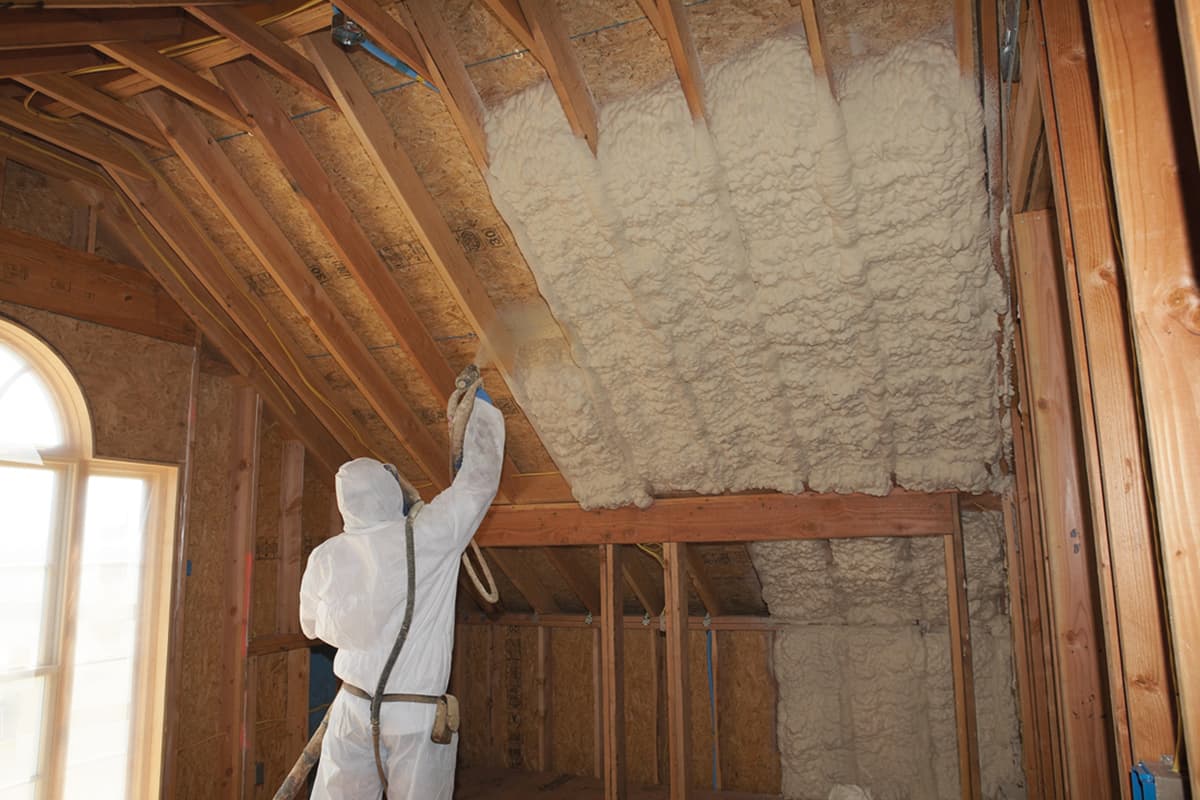
Air sealing and insulation work
Attics, rim joists, and small gaps can move more air than homeowners expect.
Plain English
Air sealing is about closing the small openings that let air move through the house. Some leaks are easy to feel near trim or attic hatches. Others are hidden above ceilings, behind knee walls, around ducts, or at the rim joists.
In older NYC homes, those leaks can add up. One room feels cold, another gets hot, the floor feels drafty, and the heating or cooling keeps running. Air sealing looks for the paths air is using and closes the ones that matter.
Warning signs
Homeowners usually feel the problem before they see it. Drafts and uneven rooms are often the first clues.
Drafts near windows, trim, ceilings, closets, or attic access points
Cold floors or rooms that feel chilly even when the heat is on
Hot upstairs rooms in summer and uneven temperatures from room to room
Dusty or musty areas around attic hatches, crawl spaces, or old framing gaps
Heating and cooling equipment running often while comfort still feels uneven
Older attached NYC homes where air seems to move through small hidden openings
Leak points
Air leaks rarely come from one obvious hole. They usually come from many small gaps working together.
Small openings around wires, pipes, wall tops, attic hatches, and ceiling fixtures can let conditioned air escape into the attic.
The area around the edge of the house can leak air and make lower rooms or floors feel colder than they should.
Gaps near foundation edges, framing, ducts, and penetrations can pull cold air into the home.
Not every draft starts at the window itself. Air can move around framing, trim, and nearby gaps.
Openings around ducts, plumbing, vents, and electrical runs often add up across an older home.
Finished attic rooms and sloped ceilings can hide air paths that make the room hard to keep comfortable.
Insulation and air sealing
Insulation slows heat movement, but air can still move through gaps. If those gaps stay open, the home may still feel drafty or uneven after more insulation is added.
Closing attic bypasses, rim joists, hatch gaps, and other openings helps stop air from moving through the home.
Once major leaks are addressed, insulation can do a better job covering the space and supporting steadier comfort.
Attic connection
A lot of upper-floor comfort problems start at the attic. Air can move through ceiling gaps, attic hatches, recessed lights, wall tops, and roofline transitions before homeowners ever see the leak.
That is why air sealing often goes hand in hand with attic insulation. The two services solve different parts of the same comfort problem.
Attic hatches, ceiling penetrations, wall tops, duct chases, plumbing openings, and hard-to-reach roofline transitions.
Benefits
Sealing small gaps can help reduce the air movement homeowners feel around ceilings, trim, floors, and attic access points.
When less air is sneaking through hidden paths, rooms are less likely to feel completely different from one another.
Insulation works better when air is not moving through and around it.
What to expect
The goal is to find the leaks that matter, seal them properly, and explain how air sealing fits with insulation.
Step 1
We start with what you feel in the home: drafts, cold floors, hot rooms, cold bedrooms, or uneven temperatures.
Step 2
We check common leak points like attic bypasses, rim joists, hatches, ducts, penetrations, crawl spaces, and old framing gaps.
Step 3
Air sealing and insulation often work best as a pair. We explain what should be sealed, what should be insulated, and why.
Step 4
Access, preparation, materials, cleanup, and next steps should be clear before work begins.
Rebates and incentives
Some air sealing and insulation work may qualify for available incentives. PrimeSeal can help review program information and the paperwork needed for them.
Rebates, incentives, approvals, and savings are not guaranteed. Program rules, eligibility, and funding can change.
We can help organize project details and scope information homeowners may need when looking into available programs.
Service areas
We work with homeowners in borough homes, attached homes, older buildings, top-floor spaces, and suburban layouts.
Queens
Brooklyn
Bronx
Manhattan
Staten Island
Long Island
FAQ
Air sealing means closing small gaps and openings where outside air, attic air, basement air, or crawl space air can move into the living space.
Common signs include drafts, cold floors, hot upstairs rooms, cold bedrooms, dusty attic access areas, and rooms that never feel like the rest of the house.
No. Insulation slows heat movement. Air sealing helps stop air movement through gaps. In many homes, both need to be considered together.
It may help reduce energy waste when air leaks are part of the problem, but savings are not guaranteed. The condition of the home, equipment, usage, and scope of work all matter.
Yes. PrimeSeal works across Queens, Brooklyn, the Bronx, Manhattan, Staten Island, and Long Island.
Free estimate
Tell us where you feel drafts, cold floors, hot rooms, or uneven temperatures. We will look at the likely air leak areas and explain the next step clearly.