
Attic insulation gaps
Bedrooms under an attic can lose comfort when insulation is thin, compressed, shifted, or missing around edges and ceiling openings.
Homeowner guide
A cold bedroom does not always mean the heat is broken. In older NYC and Long Island homes, attic insulation gaps, air leaks, rim joists, exterior wall gaps, cold floors, and rooms over garages can make one room feel different from the rest of the house.
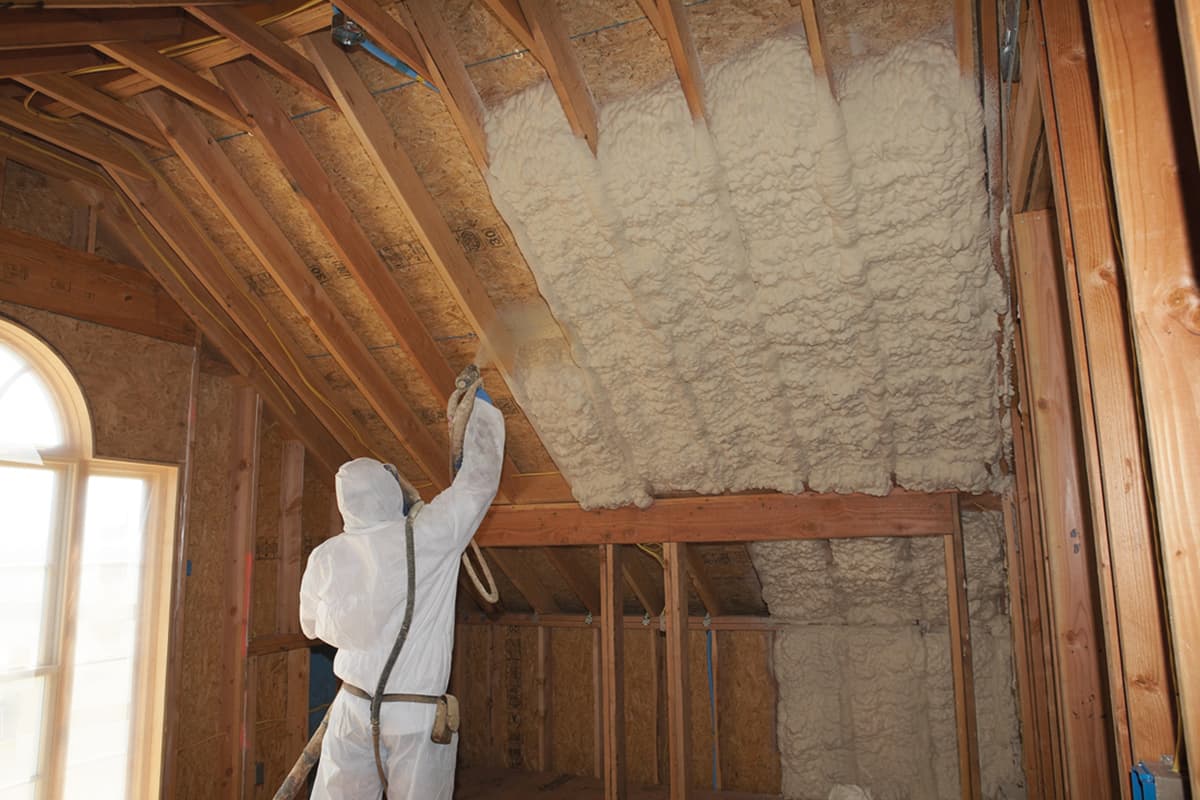
Winter bedroom comfort
Cold bedrooms often come down to air movement, weak insulation, and room edges that need a closer look.
Plain English
When one bedroom stays cold, the issue is often the room boundary: what is above it, below it, and around it. Warm air may be escaping through hidden gaps, or cold surfaces may be sitting behind weak insulation.
This is common in older attached homes, brownstones, capes, colonials, split-level homes, additions, and bedrooms over garages where the room was not built like the rest of the house.
Common causes
The cold feeling usually comes from a mix of air movement, insulation gaps, exposed floor edges, and uneven room conditions.
Bedrooms under an attic can lose comfort when insulation is thin, compressed, shifted, or missing around edges and ceiling openings.
Small gaps around hatches, wiring, plumbing, vents, and wall tops can let warm room air escape and cold air paths show up.
Cold air can leak at the framing edges below a bedroom, especially over basements, crawl spaces, additions, or garage areas.
Older exterior walls, closets, bay areas, and framing transitions can leave cold surfaces or draft paths around the room.
A bedroom over a garage can feel cold from below if the floor boundary, garage ceiling, or floor-edge air sealing is weak.
The heating system may be working, but the room can still feel uneven if heat is being lost through leaks and weak insulation.
Heat alone
Turning up the thermostat can make the cold room feel better for a while, but it can also make the rest of the house too warm. If the bedroom has drafts, cold floors, or weak insulation, the comfort problem is still there.
A better starting point is to look at air sealing, room edges, and attic insulation where the room is connected to an attic or roofline.
If the room is leaking air or has weak insulation around its edges, the heating system is trying to overcome a building problem.
Draft paths
Air can move through attic bypasses, rim joists, exterior wall gaps, floor edges, plumbing openings, and wire penetrations. You may feel the result as a cold bedroom, a draft near the floor, or a room that never quite catches up.
For a deeper look at drafts, see the drafty house guide. If the bedroom sits above a garage, the garage room comfort guide may also be useful.
The room feels cold around the floor, closet, ceiling, exterior wall, or room edge. The leak path may be hidden behind finished surfaces.
Symptoms
These are common clues that the room may need air sealing, insulation work, or a closer look at the spaces around it.
One bedroom stays cold while nearby rooms feel normal
The floor feels cold near exterior walls or over a garage
Drafts show up around closets, baseboards, ceilings, or stair areas
The room warms while heat runs, then cools down quickly
A top-floor bedroom feels cold in winter and hot in summer
Turning up the thermostat overheats other rooms first
Realistic fixes
The right fix depends on where the bedroom is losing comfort. A practical plan looks for air movement and weak insulation instead of simply adding more heat to the room.
Cold bedrooms often point to hidden air movement, weak insulation, or exposed room edges. The source may be above, below, or beside the room.
Air sealing closes gaps where air moves. Insulation helps slow heat movement once those gaps are addressed.
A top-floor bedroom, room over a garage, exterior corner room, or addition may need targeted work instead of a broad guess.
What to expect
The bedroom should be looked at as a room connected to other spaces: attic, garage, basement, crawl space, exterior walls, floor framing, and nearby ducts or penetrations where access allows.
Step 1
We ask when the room feels cold, whether the floor or ceiling feels different, and how it compares to nearby rooms.
Step 2
Attic access, garage ceilings, crawl spaces, basements, rim joists, and floor edges are reviewed where access allows.
Step 3
Draft paths around ceiling openings, wall tops, penetrations, closets, and exterior edges can make a heated room feel cold.
Step 4
The scope may involve attic insulation, air sealing, spray foam at specific gaps, garage-room work, or a focused repair.
FAQ
The room may have air leaks, weak insulation, cold floor edges, attic gaps, or exterior wall issues. The heating system can be running and still struggle if the room is losing comfort faster than nearby rooms.
It may make the room feel better temporarily, but it can also overheat other rooms first. If the bedroom has drafts or insulation gaps, the building conditions should be checked.
It can help when the bedroom is under an attic with thin, disturbed, or missing insulation. Air leaks should also be checked because insulation works better when air is not moving through gaps.
Rooms over garages often sit above an unconditioned space. Cold floors, garage ceiling insulation, rim joists, and floor-edge air leaks can all affect comfort.
It can help in the right areas, such as rim joists, rooflines, knee walls, floor edges, and hard-to-seal gaps. The room should be looked at first so foam is used where it makes sense.
Related services
Improve attic coverage above bedrooms that feel cold, drafty, or uneven.
Find and seal hidden draft paths around attic bypasses, rim joists, exterior edges, and penetrations.
Consider foam for rim joists, knee walls, rooflines, floor edges, and other hard-to-seal gaps.
Free estimate
Tell us which bedroom is uncomfortable, when it feels cold, and what spaces are above, below, or beside it. We will explain the likely next step clearly.